
Delirium Tremens: Symptoms, Timeline & Life-Saving Treatment Options
August 18, 2022Космолот власник: відповідальне управління складним бізнесом
February 26, 2023Can Drinking Cause Panic Attacks?
Let’s understand how alcohol can cause panic attacks and how we can prevent them from happening. While alcohol can lessen or put a stop to the anxious thoughts that often lead to panic attacks, drinking will only ever be a temporary fix. It will stop working once the alcohol leaves your body, and if you continually drink to quash your panic attacks, this can lead to long-term damage.
- Symptoms include nervousness, irritability, trouble sleeping, and increased heart rate.
- If you look at the biological side of things, it is well-known that alcohol causes a number of physiological symptoms such as dehydration, low blood sugar, and elevated heart rate.
- Each facility is equipped with a certified rapid-resolution therapist onsite to address past traumas and delve into the root causes of addiction.
- These risk factors don’t mean panic attacks during withdrawal are inevitable—but they do signal the need for medical supervision and emotional support.
- Alcohol acts as a depressant in the body’s central nervous system.
How Alcohol Worsens Anxiety
As alcohol is what is alcoholism a sedative and depressant, it can relieve feelings of fear and anxiety in the moment. But after the alcohol wears off, you can start to feel your anxiety come back even stronger. Even one drink can interrupt the natural cycles of sleep, causing a nervous or irritable feeling the next morning. Alcohol is a mild anesthesia and will put you in the mood for sleep — at least initially. Later in the sleep stages, alcohol disrupts REM sleep and paralytic sleep, which is when your body rejuvenates itself. The best way to prevent panic attacks from alcohol is to quit or cut back.
Why Do You Get Anxiety After Drinking?
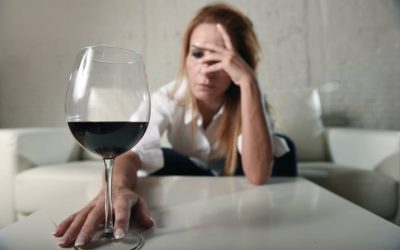
However, this pattern of alcohol use does alcohol give you anxiety can ultimately exacerbate anxiety and lead to the development of alcohol dependence or alcohol use disorder (AUD). Alcohol consumption can have immediate effects on anxiety levels, sometimes leading to anxiety attacks or heightened anxiety shortly after drinking. This phenomenon, often referred to as “hangxiety,” stems from alcohol’s impact on neurotransmitter levels and its ability to disrupt the body’s stress response system. Following a bout of heavy drinking, individuals may experience heightened feelings of anxiety, irritability, and low mood as their body attempts to recalibrate. Attempting to detox from alcohol without professional supervision can be dangerous, especially for those at risk of severe withdrawal symptoms like panic attacks.
- Additionally, other medications may be prescribed to help manage anxiety and panic attacks, ensuring a safer and more comfortable detox experience.
- Whereas alcohol does not directly cause panic attacks, it can trigger them.Alcohol increases anxiety levels, which can lead to panic attacks.
- Although there is no evident source for anxiety, these symptoms are interpreted by the brain as stress and worry due to biofeedback.
- Some common phobias are spiders/insects, crowded places, and heights.
- Most importantly, help them access professional care like the services offered at The Forge Recovery Center.
- This article explains the links between alcohol and anxiety and how to manage anxiety disorders and AUD in daily life.
How are alcohol and anxiety related?
- It’s important to address the reality of co-occurring alcohol abuse and anxiety disorders.
- Many people turn to alcohol as a way to self-medicate their anxiety.
- This misunderstanding can lead to intense fear, tightness in the chest, and shortness of breath, which are signs of panic attacks.
- You can become agitated and jittery because your body is busy processing the alcohol, which neutralizes the effect of these medications.
These symptoms are not just uncomfortable—they can be dangerous and warrant close professional monitoring. By understanding the causes and symptoms of panic attacks, we can begin to explore the potential relationship between alcohol https://universprofessionnel.com/webmd-substance-use-disorders-addiction-guide/ consumption and these distressing episodes. At Endless Mountain Behavioral Healthcare, we understand the complex relationship between alcohol and mental health.

As the alcohol wears off, we are left with an artificially high level of stress hormones in the body. In addition, the panic symptoms that might be induced due to the shift in brain chemicals after consumption can contribute to an exacerbation in social anxiety. Approximately 2.7% of adults in the United States suffer from panic disorder.
